White fish
Select a lake above to get a forecast.
Analysing weather data...
Fishing forecast
Accurate weather data, bite forecast and anglers' experience – all in one place.
Calculated from current weather conditions
Select a lake to see the hourly forecast
Select a lake above to get a forecast.
Select a lake above to get a forecast.
Meteorological data from Open-Meteo: real-time for today, forecast for other days
Activity is calculated from the current weather conditions at the selected lake.
The latest anglers' catches from the diary.
Shop categories by the fish you target.
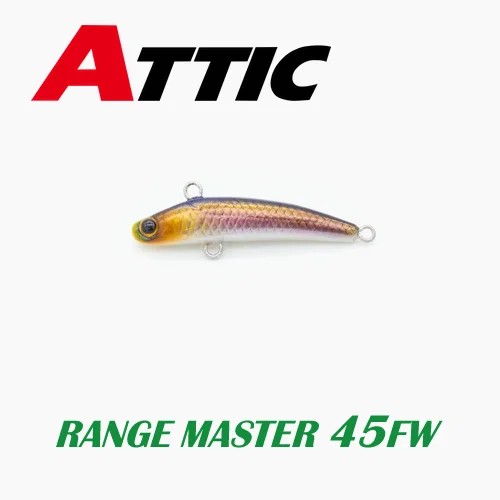 Vobleriai
Find in the shop
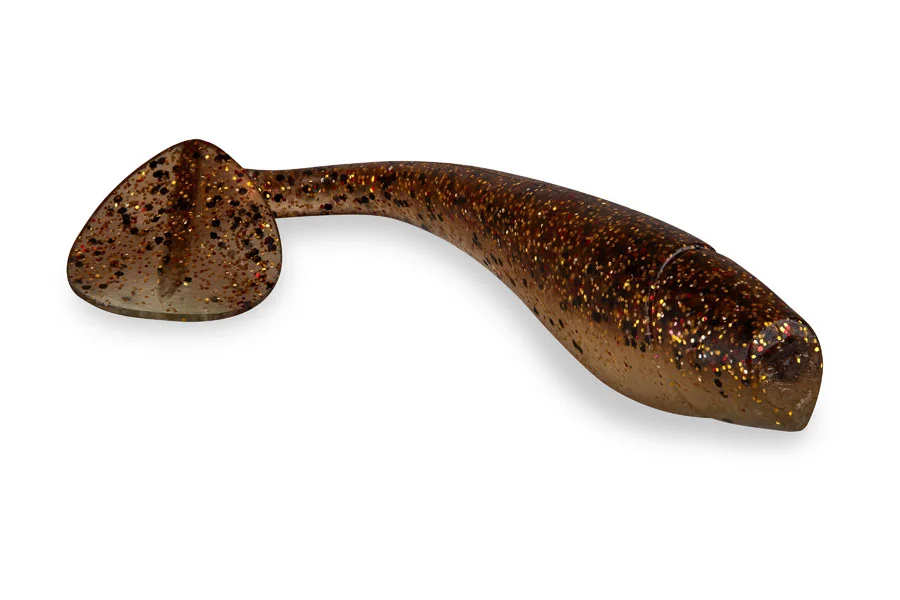 Silikoniniai masalai
Find in the shop
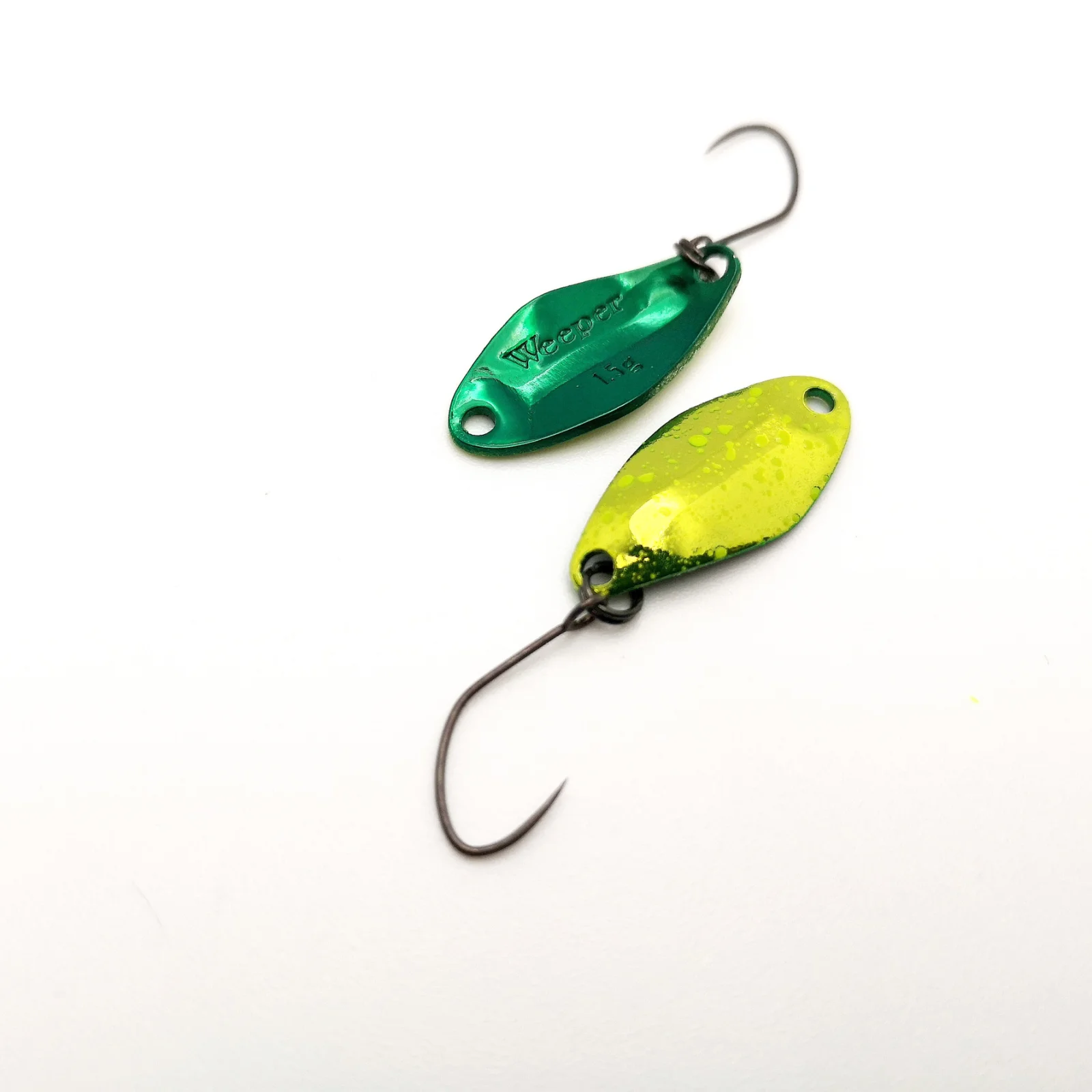 Blizgės
Find in the shop
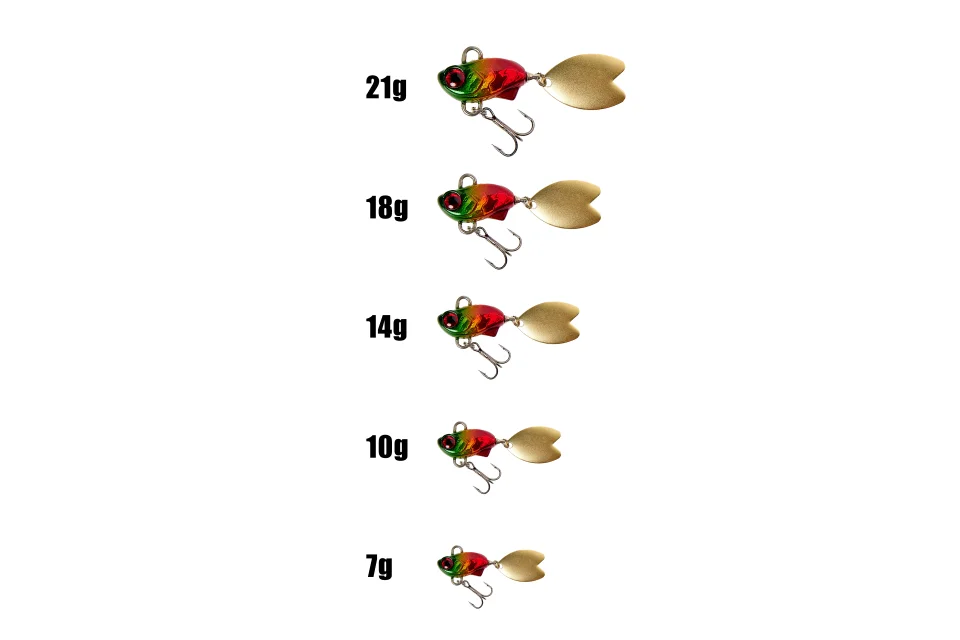 Spineriai
Find in the shop
Silikoniniai masalai
Find in the shop
Blizgės
Find in the shop
Spineriai
Find in the shop
Vobleriai
Find in the shop
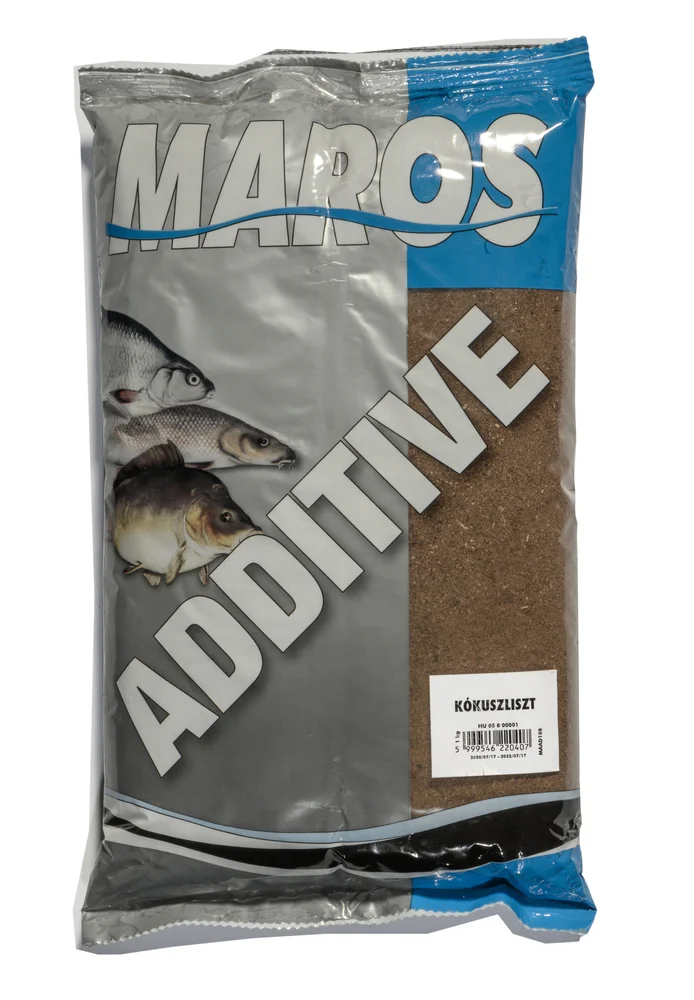 Jaukai
Find in the shop
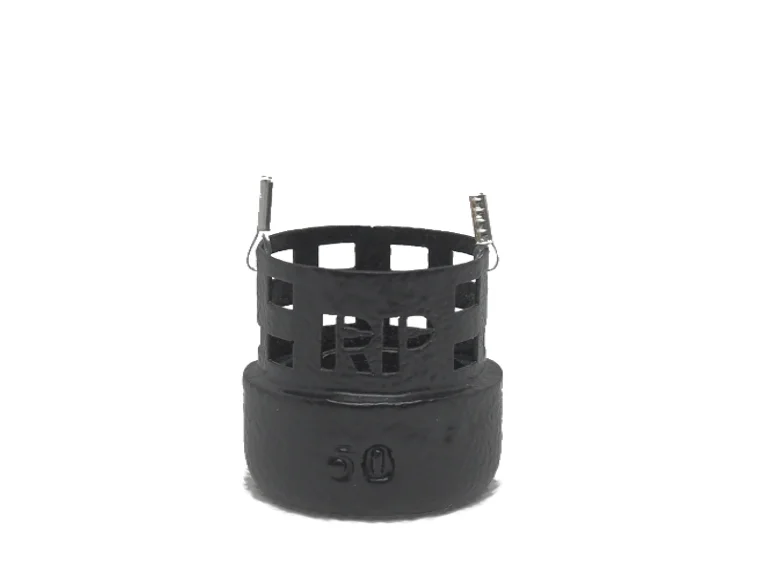 Feeder šeryklėlės
Find in the shop
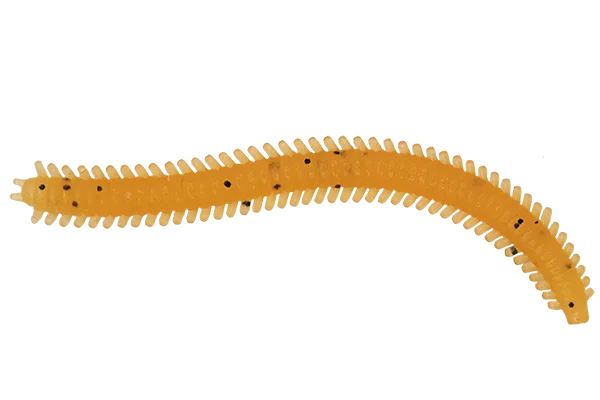 Masalai
Find in the shop
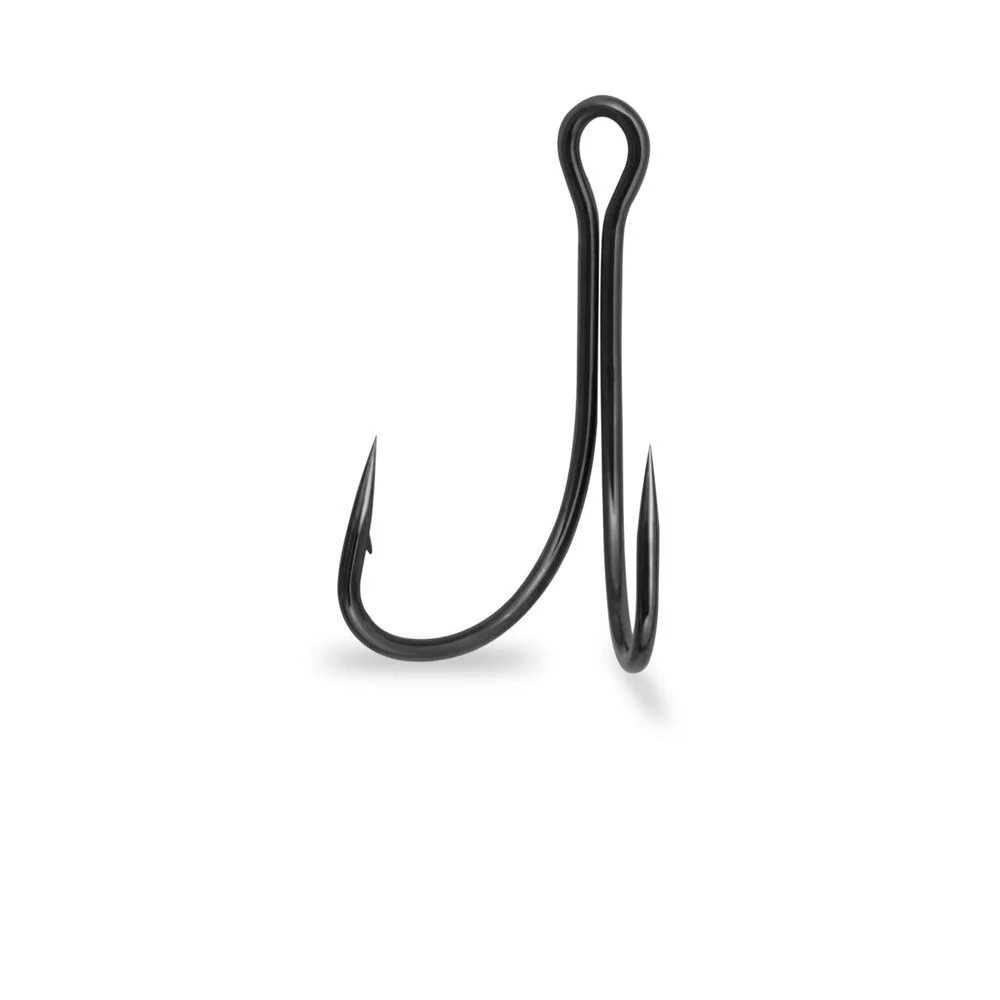 Dugninės kabliukai
Find in the shop
 Boiliai
Find in the shop
 Pop-up masalai
Find in the shop
Jaukai
Find in the shop
 Karpiniai kabliukai
Find in the shop
Silikoniniai masalai
Find in the shop
Vobleriai
Find in the shop
 Galvakabliai
Find in the shop
Blizgės
Find in the shop
Bite forecast for popular lakes for the coming weekend.
Useful tips, seasonal insights and anglers' experience.
Recommendations based on the weather conditions of the selected day
Factors backed by scientific research, used to calculate the bite forecast
The most important factor. Stable high pressure (≥1015 hPa) is ideal for white fish. Falling pressure activates predatory fish ahead of an incoming weather front. Rapidly falling pressure worsens bite activity for all fish.
Optimal temperature for white fish is 15–24°C. Predatory fish are more active at 10–18°C. In winter (≤5°C) activity is minimal; in summer (≥28°C) fish retreat to deeper water.
Light wind (0–3 m/s) is ideal for white fish. A south-westerly direction is considered most favourable. Strong north-easterly wind worsens the bite. Moderate wind (3–6 m/s) activates predatory fish.
Light rain (0–1 mm) often improves the bite for predatory fish – it reduces visibility in the water. Prolonged heavy rain (≥5 mm) clouds the water and reduces the bite.
Partly cloudy skies (30–60%) are optimal. On sunny days fish become more cautious. Predatory fish are more active in cloudy weather, when visibility in the water is lower.
May–June and September are the best months. In spring and autumn fish feed more intensely before and after spawning. December–February is the worst time.
The full moon and new moon create the strongest gravitational pull, which affects water levels and fish activity even in freshwater. During the full moon fish feed more intensely at night. The first and last quarters are considered average.
Answers about fishing and bite forecasts
Yes – air pressure is one of the most important factors in the bite forecast. As pressure changes, so does the amount of dissolved gas in the water and the volume of a fish's swim bladder, which affects their behaviour and feeding activity. Stable high pressure (>1015 hPa) is excellent for white fish. Falling pressure ahead of a weather front often triggers intense activity in predatory fish.
Pike bite best in the early morning (5–9am) and in the evening (5–9pm). They are more active in cloudy weather, before or after rain, when pressure is falling. In spring (after spawning) and autumn pike are especially active. The best temperature is 8–16°C. Recommended lures: spoons, crankbaits, soft plastics.
Bream are most active in the early morning (5–10am) and in the evening (6–9pm). They prefer warm water (18–25°C), stable high pressure and light south-westerly wind. In summer you can also fish for them at night. Best bait: worms, maggots, sweetcorn, flavoured bread, boilies. In winter for ice fishing – bloodworm.
South-westerly and westerly wind is considered most favourable – it brings warmer air and creates small waves that oxygenate the water. Light wind (1–3 m/s) is ideal for white fish. North-easterly wind (especially strong) usually means a worse bite. Moderate wind (3–6 m/s) suits predatory fish fishing.
Light rain often improves fishing, especially for predatory fish. Rain reduces visibility in the water, oxygenates it, and can wash nutrient-rich material into the water. However, prolonged heavy rain increases turbidity and can cause flooding, which significantly worsens the bite.
In summer, plant-based baits (sweetcorn, bread, boilies, paste) work great for white fish. Live baits (worms, maggots) work all year round. For predatory fish – soft plastics, small spoons and crankbaits. In warm weather fish often prefer smaller, more natural-looking baits.
In warm summer weather fish retreat to deeper, cooler water (3–6 m and deeper). In the early morning and evening they move to shallower spots (0.5–2 m) to feed. Predatory fish follow their prey and can be at any depth. In winter, look for deeper spots with slower current.
Yes – the moon phase is included in the bite forecast calculation as one of 7 factors. The full moon and new moon create the strongest gravitational pull, which affects fish activity even in freshwater – at this time fish feed more intensely, especially at night. The first and last quarters are considered average. However, air pressure, temperature and wind still have a bigger influence.
Fishing is allowed year-round in Lithuania, but restrictions apply during spawning periods. Pike spawn in March–April, bream in May–June. During these times fishing is prohibited in certain locations. You can find exact restriction dates on the Ministry of Environment or AMT (Environmental Protection Agency) website. Our fishing forecast does not account for legal restrictions.
The weather data behind the fishing forecast comes from the free Open-Meteo API and is updated every hour. Reloading the browser page or selecting a new lake fetches the latest data immediately. Data is cached locally for 30 minutes to make repeat page loads faster.